

[Information reprint] Microbial diversity and agricultural production
The first plants on Earth appeared because of plant/microbe symbiosis. It is now well established that the first plants, which lived exclusively in the ocean, were able to colonize land through symbiotic relationships with fungi. These combinations gave rise to the first symbiotic relationships called mycorrhizas (plant/fungus combinations). They date back more than 450 million years.
But the story doesn't stop with mycorrhizae. Bacteria, yeast and fungi were already present on land when plants began to grow, and their histories have been closely linked ever since. This microbial colonization is so ancient and widespread that many mechanisms of daily plant processes have microbial involvement, such as absorption and fixation of nutrients, development or immunity...

Figure 1. Number and diversity of microorganisms in natural environments. Reflecting the diversity and stability of plants in these environments.
1. Important partners of plants
In agriculture, microorganisms have long been considered the only pathogens. This negative view is now outdated, and studies of plant-associated microbial communities have allowed us to identify many microorganisms of agricultural value. They are found in the rhizosphere (the area close to the roots) and phyllosphere (the part above the ground), as well as inside the host, and are therefore called endophytic microorganisms.
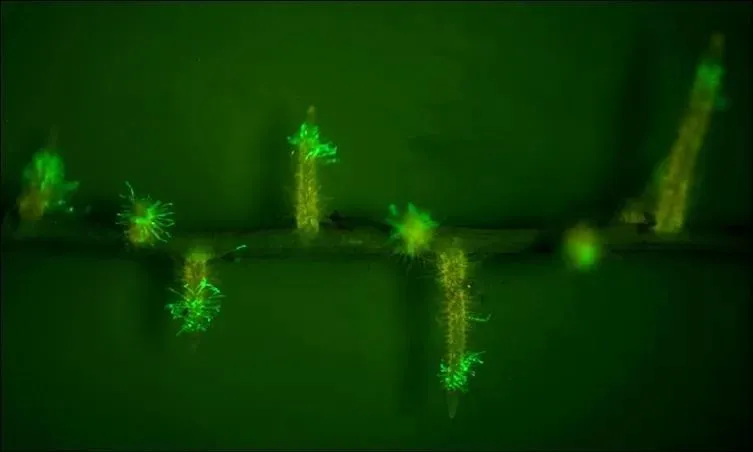
Figure 2. Microscopic observation of roots colonized by rhizosphere bacteria.
Casuarina glauca fusion expresses green fluorescent protein after 24 hours of exposure to live Frankia© bacterial inoculant.
Rhizosphere microorganisms interact with plant roots. The plant rhizosphere is where the richest microbiome is found, and we like to compare it to our gut, which is also filled with an indispensable and fascinating microbiome. Like an inverted gut, there are absorptive hairs at the roots and a large microbial community near these hairs. Plant-specific root exudates attract and stimulate these plant-beneficial microorganisms. For example, certain bacteria can stimulate and/or protect plants through one or more mechanisms: releasing plant hormones into the environment, dissolving mineral elements in the soil that are not easily absorbed by plants, fixing nitrogen in the atmosphere, reducing the levels of certain pathogens in the soil (through competition or excessive parasitism...). Such bacteria are called PGPR (Plant Growth-Promoting Rhizobacteria). Also included in this community of microorganisms that are beneficial to plant growth are fungi (such as, but not limited to, mycorrhizae) and other yeasts.
The plant phyllosphere and internal environment also contain a diverse range of microbiota that participate in the plant's nutritional mechanisms or protect the plant from abiotic and/or biotic stress, such as stimulating the plant's natural defenses...
Microorganisms are not truly active ingredients or fertilizers. They are true partners of plants, forming complex mutually beneficial relationships with them that go far beyond our chosen functions such as growth promotion and disease prevention. With the diversity of microbial life, plants themselves form a true ecosystem, and we now know that the more complex the ecosystem, the more likely it is to withstand external dangers.
2. The importance of diversity
A recent study of the evolution of riparian biomes in Lake Mirror in the Ceillac department in the French Alps provides us with a good example of the importance of diversity. Although ostensibly stable, we know that ecosystems are constantly changing and can adapt to changes in their biomes. The analysis goes back to just after the last ice age. This study shows how higher plants can unexpectedly experience unusually harsh climate changes due to the interdependence and interactions among the diverse organisms in this biome. While this evolutionary resilience has taught us the importance of diversity, we may only understand a small part of it now.
3. Biodiversity is closely related to agricultural production
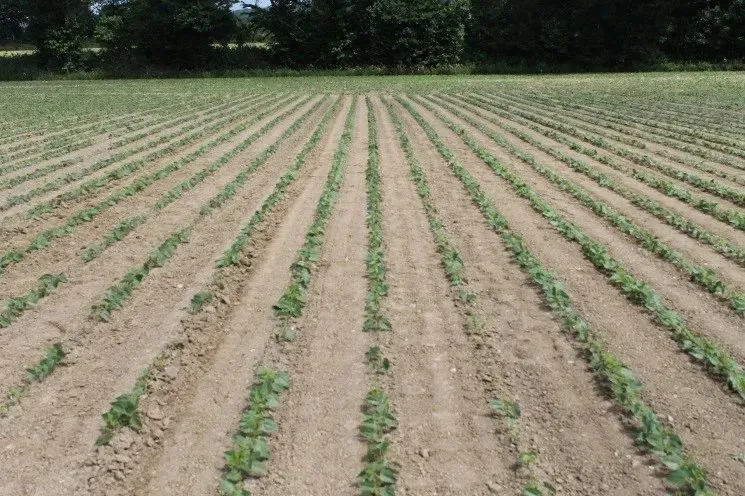
Figure 3. Agricultural activities lead to a reduction in microbial diversity due to simplification and rapid changes in vegetation cover. The introduction of non-native plants has exacerbated this phenomenon.
Agricultural activities disrupt all existing balances by shaping the landscape and creating new areas for cultivation on very important land. This happens almost instantaneously compared to the time required to establish a stable ecosystem (at least 50 years), compared to the time required to establish a symbiotic relationship or co-evolution (which takes thousands of years!). In this case, agricultural plants are unlikely to have the opportunity to naturally recreate an optimal microbial ecosystem.
The most important concept proposed by Lallemand Plant Care is to find and provide crop-related microorganisms. Thanks to our scientific partnerships around the world, we are studying fundamental mechanisms of interactions with microorganisms and screening strains for agricultural use. Our goal is to "complement" these functions of plants by combining them with key microorganisms that have enhanced nutritional, abiotic and biotic stress resistance functions. This enables us to select, produce, formulate and authorize the production of microorganisms for artificial inoculation of live cultures of these microorganisms.
By combining two types of genes into the field, we hope to create a new hybrid organism (plant/microbe) that we hope will have the effect of hybrid vigor!
For viable microbial inoculation, we believe that rotation or continuous planting of a certain crop on the same farmland must take into account that the ecosystem is variable on annual or multi-annual scales, but consistent over longer periods of time. ; It is with this in mind that we consider our approach to enabling mutualistic plant/microbe combinations to be a sustainable, cost-effective action. This is one of the fundamental differences between using microorganisms in agriculture and using traditional inputs.
This method can only fully realize its economic and technical value when combined with fertilization (mineral elements and organic fertilizers), soil rotation, etc., so as to best express the genetic potential of plants and related microorganisms.
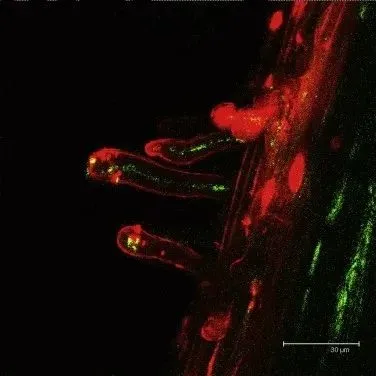
Figure 4. Chickpea roots stained with propyl ammonium iodide under an electron microscope.
Fluorescent rhizomes are labeled with green fluorescent protein.
in conclusion
Although the symbiotic (or mutual) relationship between plants and microorganisms has existed for more than 450 million years, it is only now beginning to attract human attention. Professor Marc-andre Selosse of the French National Museum of Natural History told us in the book "JAMAIS SEUL" published in 2017: “The concept of an organism, that a plant is a complete system in itself, has been very useful in the history of science: This knowledge formed our view of physiology and led to many medical and agricultural applications. Today, however, maintaining it simply by expanding the concept of an organism is an outdated approach. Our macroscopic vision shapes our worldview, but today we have ways to see it from a different perspective. ”
(Original text from: Lallemand Plant Protection Technology)