
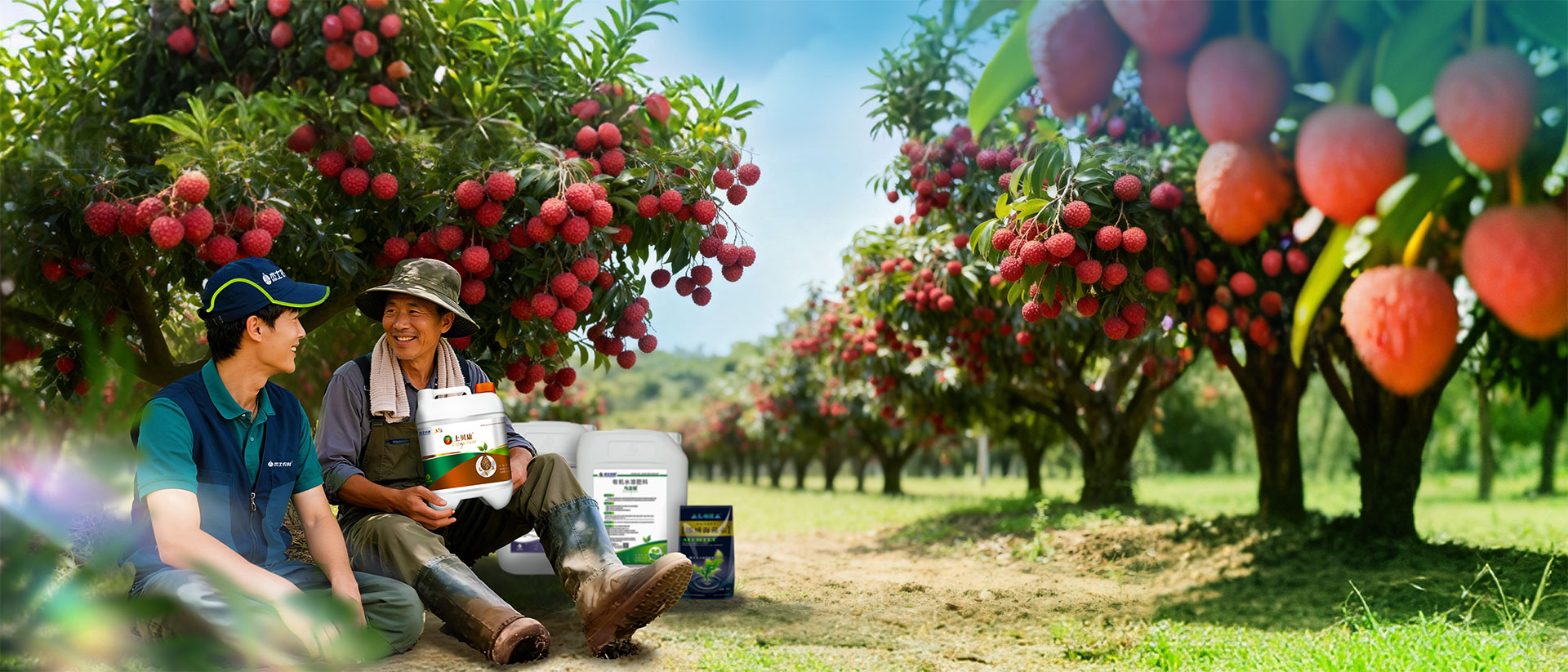
Bird's nest fruit planting technology upgrade: Live soil root nourishment combined with digital monitoring can reduce chemical fertilizers by more than 80% and improve quality and increase production.
Technical bottlenecks faced by bird's nest fruit cultivation
Bird's nest fruit (yellow-skinned dragon fruit) has good market prospects because of its unique flavor and economic value (the purchase price in the field can reach 40-50 yuan/jin). However, its cultivation faces significant challenges: It has a long growth cycle (3 to 5 months from flowering to maturity), low yield, and weak resistance to root nematodes, canker and other diseases and insect pests. A more common problem is that growers are often over-reliant on fertilizer inputs due to poor growth.
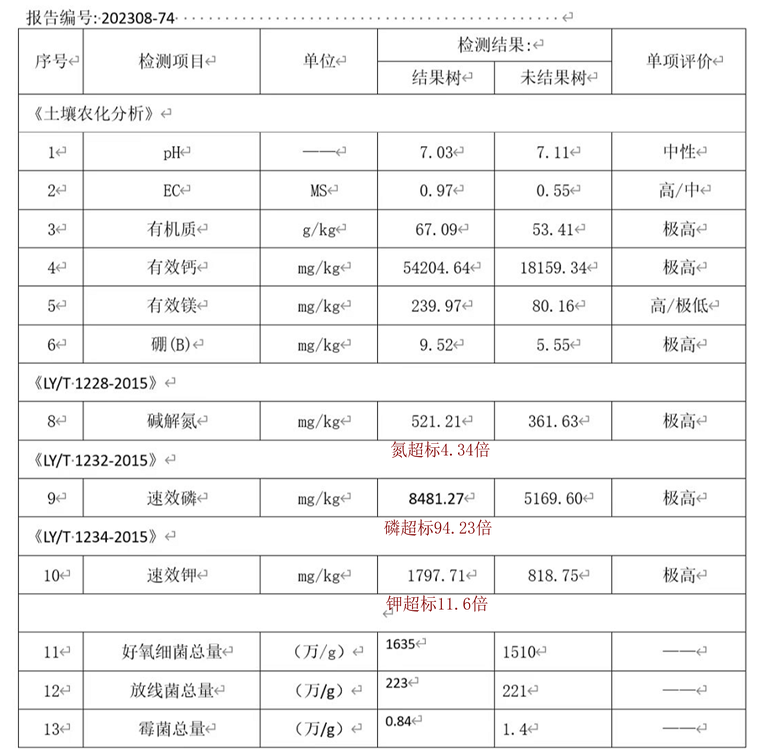
The practice of a planting base in Yunfu that our company serves reflects this situation. Due to long-term excessive fertilization at its bird's nest fruit base, the soil nutrients in the originally heavy and hardened rice fields exceeded the standard by 4 to 94 times, causing difficulty in the germination of new shoots, insufficient flowering, and the planting efficiency did not meet expectations.
Demand and exploration of technological transformation
The person in charge of the farm recognized the market potential and sought to transform into a service provider providing planting technology. However, the transformation faces technical challenges. Based on the traditional habit of "flooding with water and fertilizing to promote seedlings", the soil in our own base has been severely degraded, and the branches are thin and do not bloom. This shows that existing experience cannot meet the needs of refined bird's nest fruit cultivation, and new technical standards are urgently needed.
solution: Introducing biological vitality cultivation methods and digital monitoring
In order to break through the bottleneck, the farm cooperated with Jiashi Agricultural Science and Technology, using a biological vitality cultivation system, combined with digital monitoring, to formulate targeted technical solutions. core diagnostic findings: Severe nutrient overload inhibiting root activity is the main obstacle. The soil nutrient content has far exceeded the tolerance limit, resulting in difficulty in absorption and nutritional imbalance.
Based on the current situation of the base, the two parties established a strategy of "soil activation" as the core and "biological conditioning combined with digital monitoring":
l biological conditioning: Repair the soil ecosystem, activate soil biological activity, and optimize the basic environment for crop growth.
l digital surveillance: Use sensors to accurately monitor key soil indicators in real time and drive management decisions with data.
Key technical measures and implementation results
The specific technical solutions and implementation effects are as follows::
Living soil release fertilizer:
measure: Stop investing in chemical fertilizers and apply "Tubeikang" every month to activate indigenous microorganisms (nitrogen-fixing bacteria, phosphate-solubilizing bacteria, potassium-solubilizing bacteria, etc.).
Purpose : Improve the soil structure (loose and breathable), release fixed nutrients, significantly reduce dependence on chemical fertilizers, and relieve the inhibition of the root system.
Nurturing roots and strengthening trees:
measure: Use the organic combination "Wujin Green + Seaweed" to repair root function and enhance stress resistance and absorption capacity.
Purpose : Lay the foundation for new shoot germination and robust growth.
Adjust fertilizer to promote flowering:
measure: Use "root-nurturing water-soluble organic fertilizer + seaweed" to supplement organic carbon sources and optimize the carbon-nitrogen ratio.
Purpose : Prevent branches from growing too much due to excessive nitrogen and promote flowering.
Digital surveillance:
measure: Install soil EC (electrical conductivity, reflecting salt/nutrient concentration) and moisture sensors for real-time monitoring.
Purpose : Evaluate nutrient activation effects, guide irrigation and nutrient management, and optimize agricultural operations.
Implementation results: Reduce investment, increase efficiency and improve quality
Technology application has achieved remarkable results for more than a year:
l Reduce investment in chemical fertilizers by 84%: In previous years, the consumption was 65 tons/year, but after applying the new technology, only 5 tons were used in 5 months. Soil testing showed that from August 2023 to April 2024, alkali-hydrolyzable nitrogen dropped by 68.7%, available phosphorus dropped by 89.9%, and available potassium dropped by 80.2%. Nutrient needs are met by activating soil storage capacity and replenishing organic nutrients.
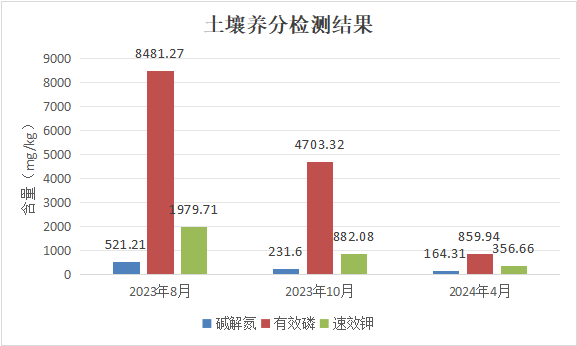
l Soil nutrients are effectively absorbed : After using the biological vitality cultivation method for 2 months, the contents of alkaline hydrolyzable nitrogen, available phosphorus, and available potassium decreased by approximately 47%, 45%, and 51% respectively, and the contents of other nutrients also decreased accordingly. The results of retesting 8 months later showed that soil alkali-hydrolyzable nitrogen dropped again by about 42%, available phosphorus dropped by about 82%, and available potassium dropped by about 60%, further falling to close to the normal range. After the EC value of the soil dropped from 0.95 to 0.35 for the first time, there was no significant change in the second test, which proved that the biological vitality of the soil increased and the absorbability and utilization of soil nutrients increased.
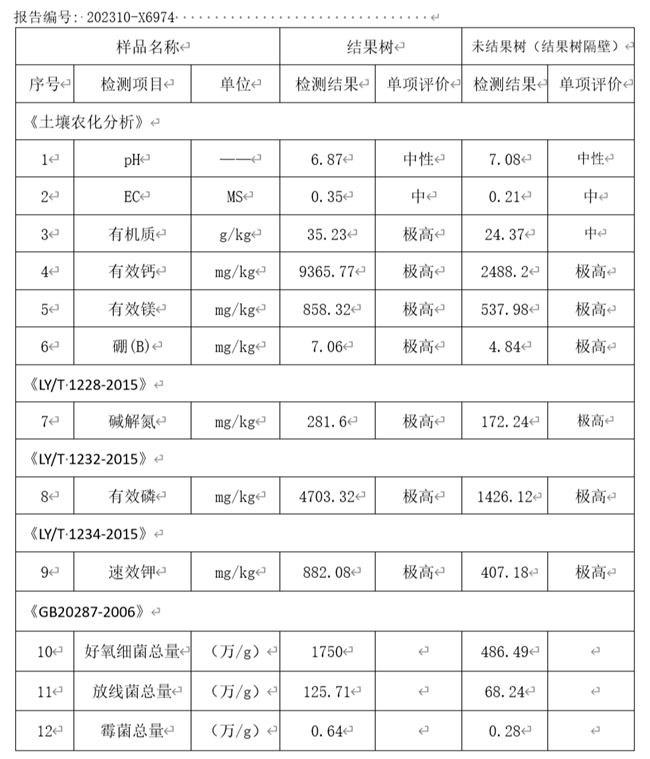
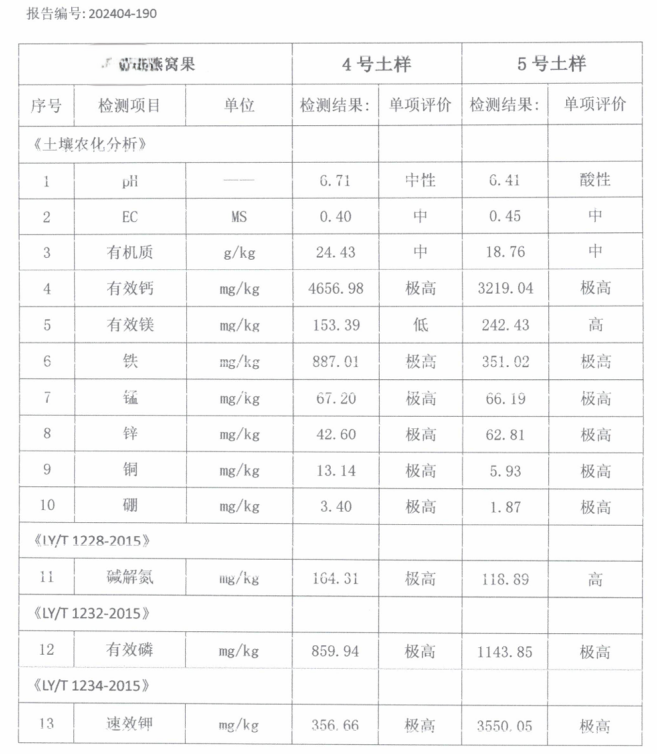
Two soil test reports
l Improved soil health: The soil color is deepened, the structure is soft and porous, and the drainage is improved. Mycorrhizal fungi are detected and root health is improved, which means that crops can effectively help absorb soil nutrients, especially phosphorus.
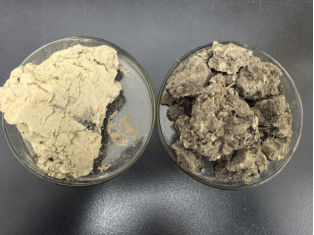
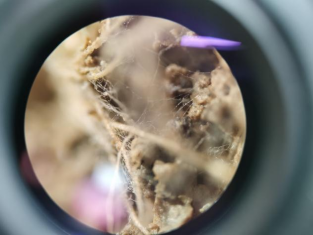
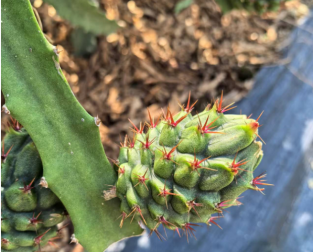
l Increased tree vigor, increased flowering and fruit setting rate: Without fertilization in winter and spring, new shoots will sprout neatly and vigorously. In conventional fruiting plots, about 70%-80% of the branches bloom successfully. ; The flowering rate of smaller seedling plots also reaches 30%-40%.
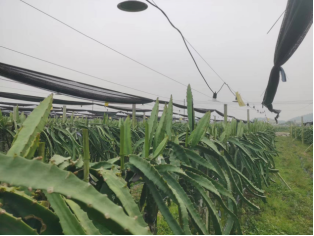
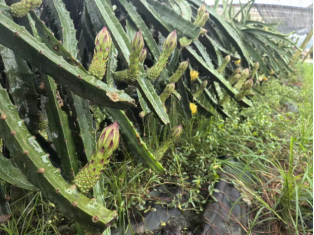
l Fruit quality optimization: The fruit shape is more round and plump, the hardness is high, and the shelf life is extended. User feedback shows that after being left for 13 days, the color, hardness, texture and flavor are maintained well, which is better than conventional fruits that rely on expanding agents. This means that this technology can also help extend the post-harvest shelf life of fruits and reduce losses.

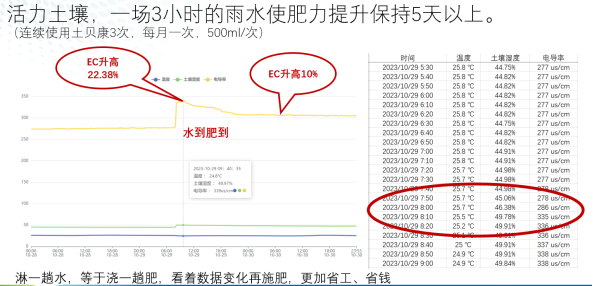
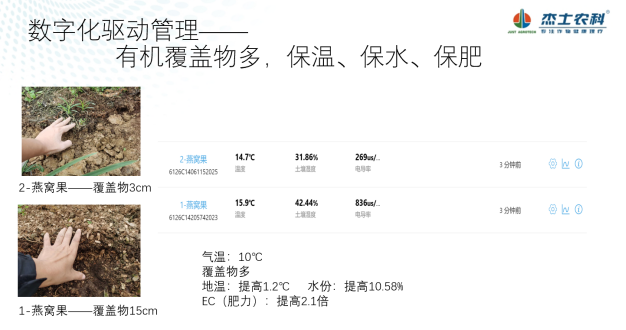
l Management decisions are well-founded: By monitoring the continuous increase in EC value after rain, the effective release of nutrients was confirmed. ; Determine watering and fertilizing needs based on data changes to avoid blindness ; The effect of winter mulching on heat preservation, water and fertilizer conservation, promotion of root vitality and nutrient accumulation has been verified, which is beneficial to early market launch.
l Zone verification: This solution has been applied to a customer base of about 2,000 acres in Baoshan, Yunnan. During the generally poor flowering period in the surrounding area, the base has full buds and vigorous flowering, and the effect is remarkable.
l User reviews: I feel confident and no longer rush to fertilize. The resistance of bird's nest fruit is more powerful than that of red dragon fruit.
biological vitality cultivation method of industrial value
The biological vitality cultivation method is a sustainable planting and regenerative farming method that focuses on activating soil microecology and crop biological vitality, with the goal of achieving gains through reduced fertilizer use.
The "living soil - root nourishing - flower promotion - data support" technology path we explored provides a replicable prototype of standardized technology for the bird's nest fruit industry, and its core value is reflected in:
Promote technology standardization and industrial upgrading: Through the "biological conditioning + digital monitoring" model, quantifiable and verifiable technical standards have been established, providing a practical example for the standardized and efficient planting of bird's nest fruits and even high-value specialty fruit industries, and assisting the overall upgrading of the industry.
Achieve weight loss, efficiency improvement and sustainable development: Successfully broke through the constraints of fertilizer efficiency, significantly reducing the amount of chemical fertilizers while improving tree vigor and yield quality. This significantly reduces production costs and environmental load, improves resource utilization efficiency, and provides a core solution for sustainable industrial development.
Empowering precision agricultural decision-making: The application of digital monitoring has transformed planting management from "experience-dependent" to "data-driven", achieving precise control of key links such as irrigation and fertilization, and improving the predictability of management efficiency and benefits.
Improve long-term land productivity: &Biological conditioning with "living soil - nourishing roots" as the core effectively repairs degraded soil and improves soil biological activity and buffering capacity. It is a key path to ensure long-term land health and sustainable agricultural development.
The successful practice of this technical path marks the transformation of bird's nest fruit cultivation from experience management to technology-driven development. By improving land productivity and resource utilization efficiency, it lays the foundation for growers to create long-term stable profits.